Studio Rentals: Why Professional Space Matters in Video Production
Setting involves far more than simply having a backdrop in video production; it's a vital aspect that drastically impacts the quality of the end result. A professional studio rental delivers regulated conditions, excellent equipment, and necessary resources that can increase the value of the production, even though shooting on site could offer stunning views. This article goes over the advantages of using a professional facility, how renting a video production studio might impact content producers' life, and how to make the most of studio hours.
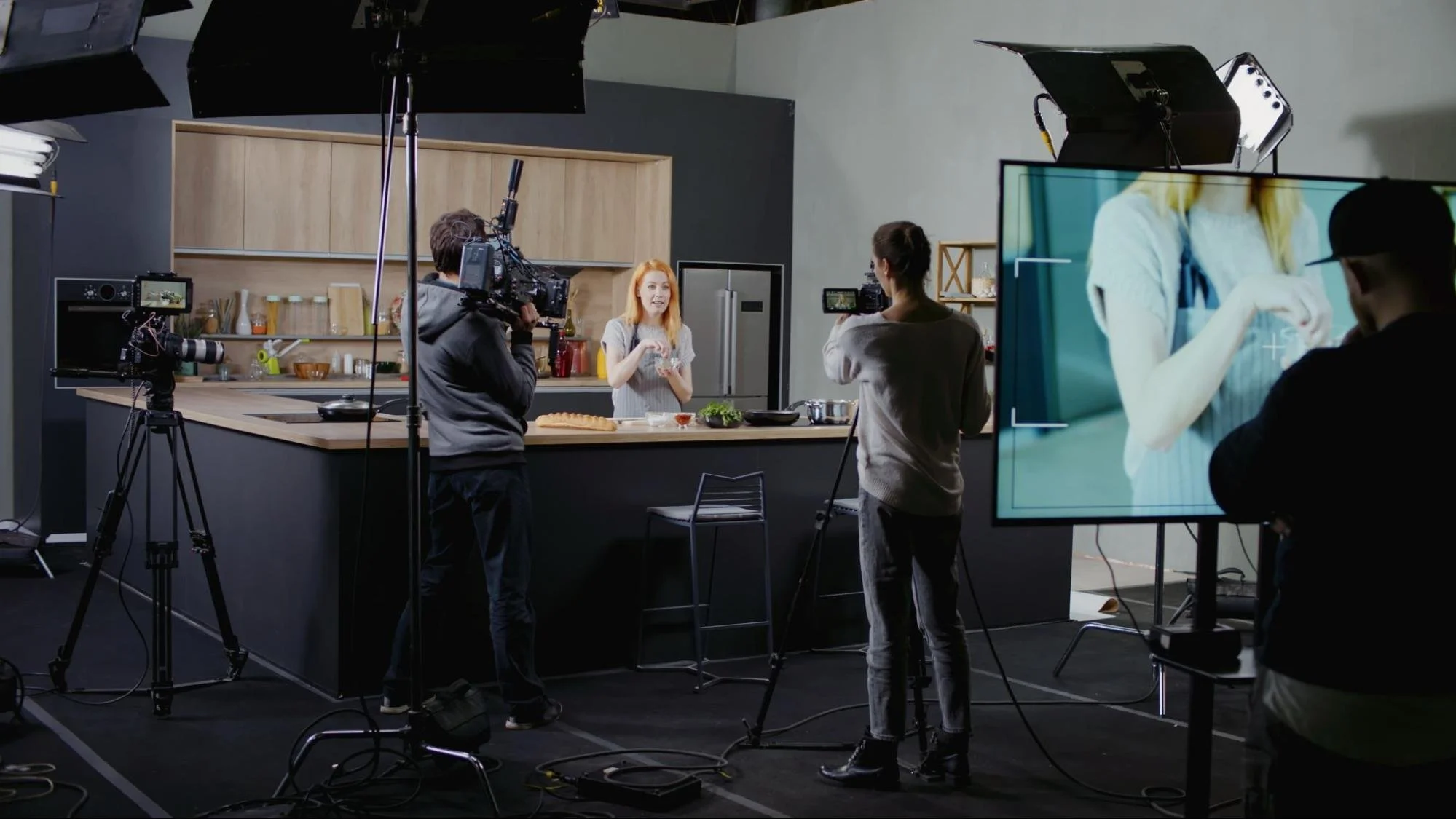
Why Consider a Video Production Studio Rental?
There is far more to renting a studio than simply possessing an area dedicated for filming. It ultimately comes down to having access to controlled spaces where set design, lighting, and sound can be carefully adjusted. The unpredictable nature of outdoor weather is eliminated in a professional studio, guaranteeing steady audio and pictures.
Furthermore, production studios frequently have state-of-the-art technology including high-end microphones, green screens, and expert lighting configurations. The readily accessible nature of industry-standard equipment may significantly cut down on setup time and save expensive reshoots brought on by unreliable lighting, noise, or weather.
Benefits of Renting a Video Production Studio
Controlled Environment: Studios provide a soundproof, weather-controlled setting, eliminating distractions and maintaining consistency across takes.
Professional Equipment Access: Many studios come equipped with state-of-the-art cameras, lighting, and audio equipment, reducing the need for additional rentals.
Creative Flexibility: From green screens and set design to advanced lighting setups, studios offer a blank canvas for creative projects, enabling more visually compelling content.
When to Rent a Studio vs. Shooting On-Location
Deciding between a studio rental and an on-location shoot depends on the project’s objectives, budget, and creative vision. Studio rentals are ideal for projects requiring specific lighting conditions, green screen work, or precise audio control. On-location shoots, on the other hand, work well for capturing dynamic, real-world settings and natural backdrops.
For projects like product demos, interviews, or corporate videos where consistency is crucial, a studio provides a controlled, distraction-free environment. Conversely, narrative films, lifestyle shoots, and travel content may benefit from the authenticity of on-location settings.
How NWP Utilizes Studio Spaces for Production
At NWP, we leverage professional studio spaces to maximize production quality, from pre-production planning to final edits. Our team collaborates closely with clients to determine the best shooting environment for their project, factoring in creative objectives, budget, and logistical considerations.
In the studio, we utilize advanced lighting setups, soundproofing, and versatile set designs to create visually striking content that aligns with the client’s vision. This level of control ensures that every frame, from close-up shots to wide angles, is precisely executed to maintain brand consistency.
Tips for Maximizing Studio Time Effectively
Plan Ahead: Arrive with a detailed shot list and storyboard to optimize time and minimize downtime.
Test Equipment Before Shooting: Ensure that all rented equipment is functioning properly and that lighting setups are tested for consistency.
Utilize Multi-Purpose Sets: Design versatile sets that can be easily reconfigured for different scenes, maximizing the use of studio space.
Communicate with the Studio Team: Discuss specific needs with the studio manager in advance, such as additional props, custom backdrops, or specialized equipment.