The Future of Animation: AI Tools vs. Human Creativity
The Future of Animation: AI Tools vs. Human Creativity
Artificial intelligence is becoming a powerful force that is reshaping workflows, timeframes, and creative possibilities in the rapidly changing field of animation. However, as AI tools advance in sophistication and accessibility, the issue for creatives, studios, and brands is no longer, "Can AI help? ”—it’s “Where should we draw the line between automation and artistry? "
Let's examine how AI is influencing animation going forward, what it can and cannot accomplish, and why human creativity is still essential, particularly in brand storytelling.
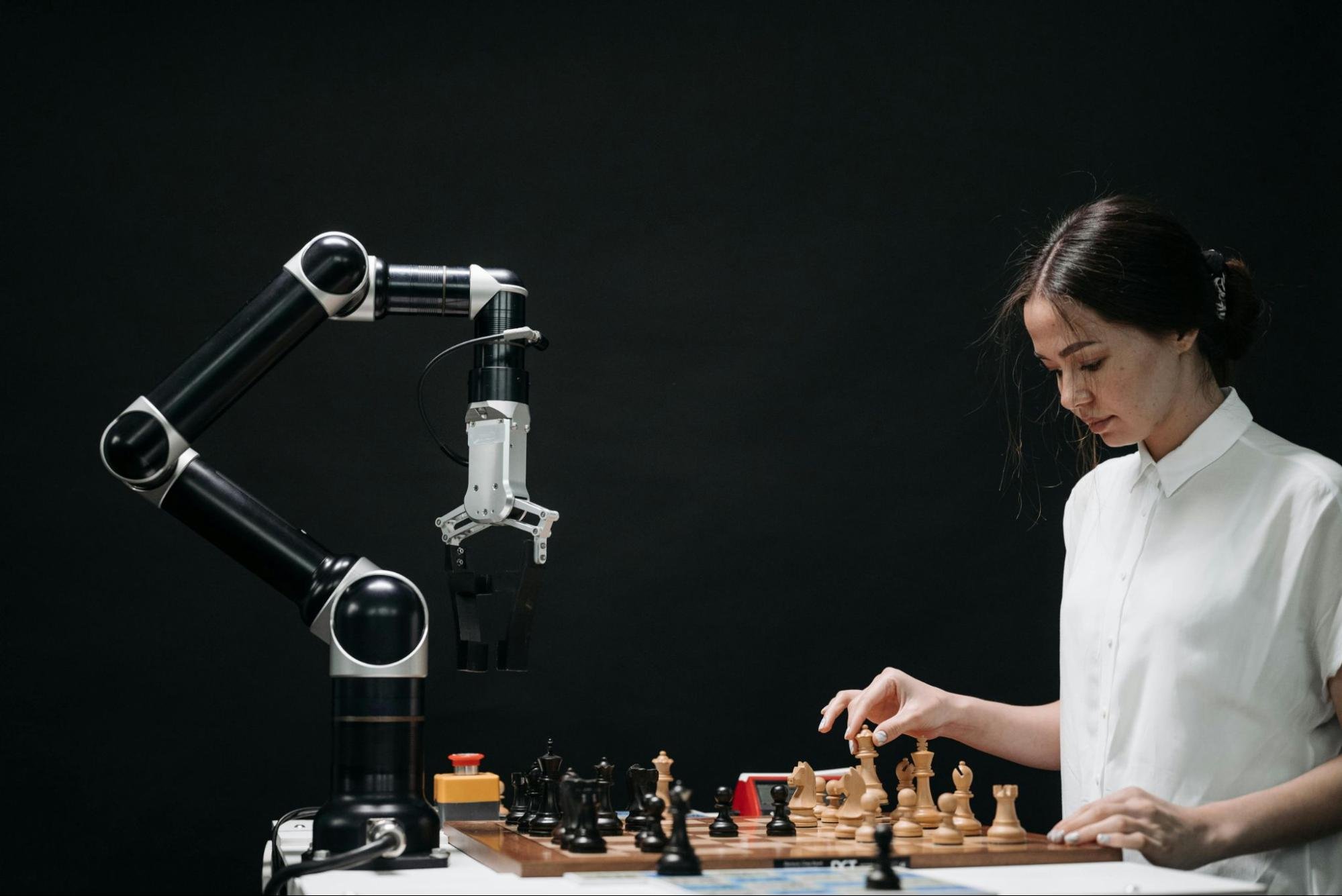
The Rise of AI in Animation
AI-driven animation tools are making waves by automating parts of the pipeline that were once labor-intensive. From in-between frame generation and auto-rigging to voice synthesis and style transfer, AI is speeding up production and lowering entry barriers. For brands under tight deadlines or budgets, these tools offer a tempting solution.
Common AI tools in use:
Runway ML for video style transfer
Ebsynth for turning still images into animated sequences
D-ID or Synthesia for talking-head video generation
Rive for lightweight animated assets for apps or websites
Adobe Firefly and After Effects integrations for AI-assisted scene creation
These tools allow studios to prototype faster, explore ideas more broadly, and even customize assets at scale—great for campaigns needing multiple variations.
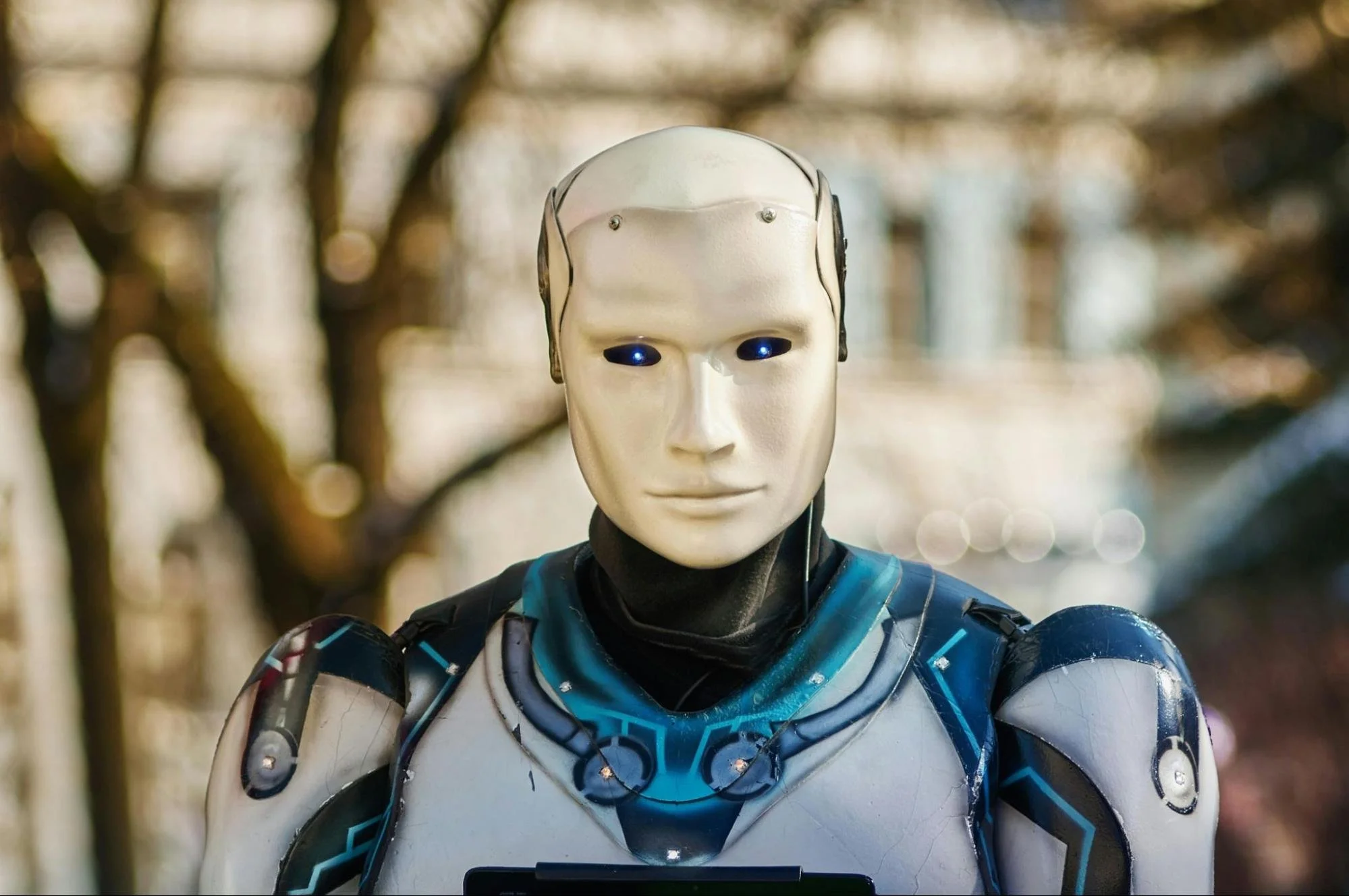
Where AI Falls Short
AI is capable of imitation, but it is unable to create the subtleties that result from in-depth comprehension, narrative, and emotional intent. Brands require meaning in addition to dynamic imagery. AI reaches its limit at that point.
AI’s current limitations:
Lacks emotional nuance or subtext
Struggles with abstract concepts or metaphor
Can't consistently align with long-term brand strategy
Often produces uncanny results in human expressions or gestures
Depends heavily on existing datasets (which may carry bias or lack cultural context)
What you get from a creative team isn’t just visuals—it’s voice, intention, tone, subtext, rhythm, and cohesion. These are the things that make an animated message land with your audience, not just exist on screen.
Human-Led, AI-Enhanced: The Hybrid Model That Works
At NWP, we think reinforcement—rather than replacement—is the most potent application of AI in animation. Better results can be achieved by combining intelligent AI tools with a strong artistic direction. Consider AI to be the helper rather than the creator.
How our team integrates AI without compromising creativity:
Previsualization: AI helps us explore styleframes, color palettes, and motion ideas before diving deep.
Revisions: AI speeds up asset reworks without burning through budget.
Localization: For campaigns in multiple markets, AI helps generate versions quickly—while we ensure cultural nuance is correct.
Concept development: We test multiple design directions using AI to narrow in on the right visual tone faster.
But the final vision? The big ideas? The emotional beats? Those come from people who understand how your brand lives in the real world.
Why Human Creativity Still Wins for Brands
Good animation is more than just visually appealing. It establishes trust, creates emotional bonds, and tells a tale. Only human creatives, who are aware of tone, context, and brand strategy, can provide that.
While AI may be able to replicate style, it cannot replicate insight. And insight is key when your message counts.
Final Thoughts
The future of animation isn’t AI vs. human creativity. It’s humans leveraging AI strategically to push creative boundaries without losing the soul of the story. As tools evolve, the brands that win will be the ones that know when to automate—and when to lean into artistry.
Looking to create animated content that strikes the perfect balance between speed and soul? Let’s talk.